
Understanding the Government Shutdown: Causes, Consequences, and Complications
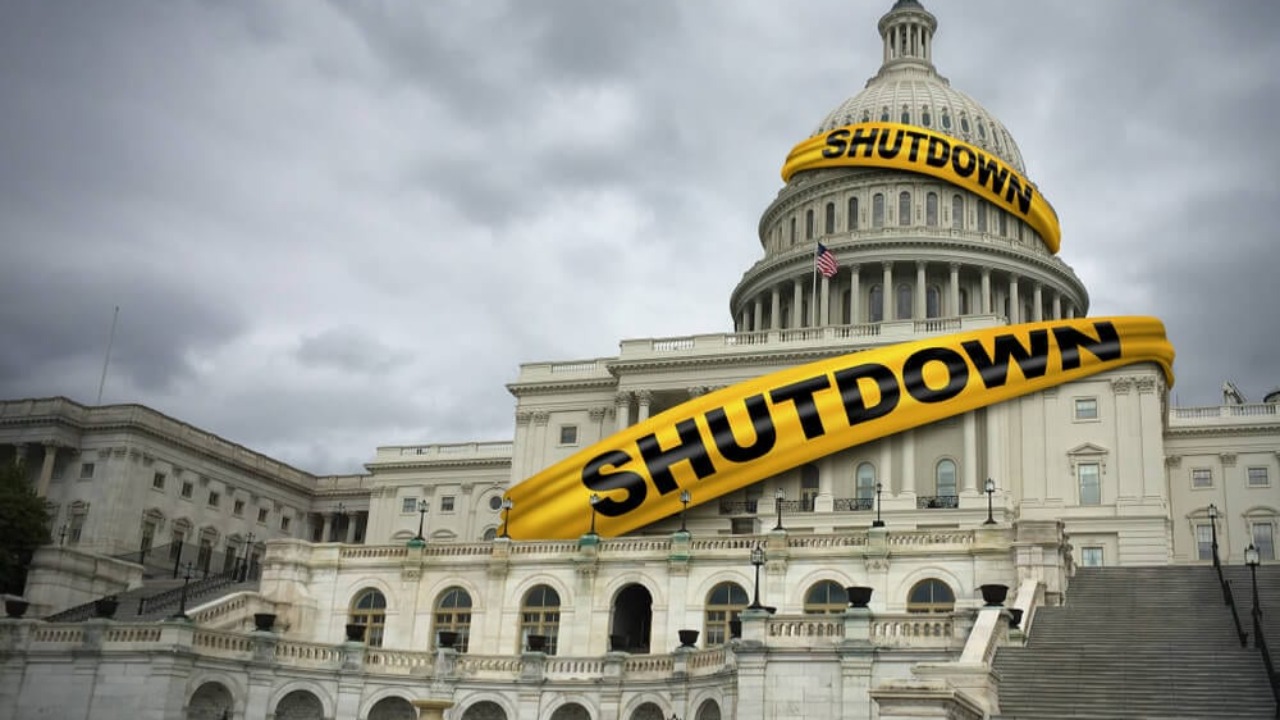
In recent years, the term Government Shutdown has frequently emerged in news headlines and political discourse, signifying a critical juncture in the governance of the United States. A government shutdown occurs when non-essential federal government offices close due to the lack of funding approval for the upcoming fiscal period. This phenomenon is rooted in a complex interplay of political standoffs, budgetary constraints, and legislative impasses that ultimately halt the operations of many federal agencies and programs. Understanding the intricacies and implications of a government shutdown requires a deep dive into its causes, immediate and long-term impacts, and the challenges it poses to both the government and its citizens.
The Genesis of a Government Shutdown
At the heart of every government shutdown lies the federal budget, a critical document that outlines the government’s spending priorities for the fiscal year. The process of formulating this budget involves multiple steps and numerous players, including the President, the Office of Management and Budget, and Congress. The President proposes a budget, which is then reviewed, amended, and voted on by Congress. The House of Representatives and the Senate must agree on the budget, passing a series of appropriations bills that allocate funds to various government departments and programs.
However, political differences often result in gridlock, where neither party can agree on the terms of the budget. Disagreements may center on a variety of issues, such as funding for specific programs, tax policies, or broader ideological principles. When Congress fails to pass a budget or a continuing resolution (a stopgap measure to fund the government temporarily), the government is forced to shut down.
Historical Context of Government Shutdowns
Government shutdowns are not a new phenomenon in American politics. The first shutdown occurred in 1980 during the Carter administration, triggered by a legal interpretation by the Attorney General that spending funds without congressional approval was illegal. Since then, there have been several shutdowns, varying in length and severity. Some of the most notable shutdowns include the 21-day shutdown in 1995-1996 during the Clinton administration, the 16-day shutdown in 2013 under the Obama administration, and the longest in history, a 35-day shutdown from December 2018 to January 2019 during the Trump administration.
Each shutdown has been characterized by unique circumstances and contentious issues. For example, the 2013 shutdown was primarily due to disagreements over the Affordable Care Act, while the 2018-2019 shutdown centered on funding for a border wall between the United States and Mexico. These events highlight how government shutdowns are often a manifestation of deeper political conflicts and divisions within the federal government.
Immediate Impacts of a Government Shutdown
The immediate effects of a government shutdown are far-reaching, affecting millions of Americans and disrupting various aspects of daily life. During a shutdown, many federal employees are furloughed, meaning they are temporarily laid off without pay. This can create financial strain for workers who rely on their paychecks to meet their daily expenses. Although furloughed employees typically receive back pay once the shutdown is over, the delay can cause significant hardship.
Essential services, such as national security, air traffic control, and law enforcement, continue to operate during a government shutdown, but non-essential services may be suspended or curtailed. This can lead to the closure of national parks and museums, delays in processing applications for visas and passports, and reduced support for programs that assist low-income families, such as food assistance and housing subsidies.
The economic impact of a government shutdown can also be substantial. According to the Congressional Budget Office, the 2018-2019 shutdown cost the U.S. economy an estimated $11 billion, with $3 billion in economic activity lost permanently. This includes decreased spending by furloughed workers, disruptions to government contracts and services, and reduced consumer and business confidence.
Long-Term Consequences of Government Shutdowns
While the immediate effects of a government shutdown are often the most visible, the long-term consequences can be equally significant. Prolonged shutdowns can erode public trust in the government and its ability to effectively manage the nation’s affairs. This can lead to increased cynicism and disengagement among citizens, who may feel that their government is unable or unwilling to address their needs and concerns.
In addition, frequent or prolonged shutdowns can have a detrimental effect on the morale and productivity of federal employees. Uncertainty about job security and income stability can lead to increased stress and anxiety, which can affect workers’ performance and well-being. This, in turn, can impact the quality and efficiency of government services, as employees may be less motivated or less able to perform their duties effectively.
Moreover, the financial cost of a government shutdown can extend beyond the immediate economic impact. The federal government may incur additional expenses in the form of interest payments on delayed contracts and penalties for late payments to contractors. These costs can add up over time, placing additional strain on the federal budget and limiting the government’s ability to fund other priorities.
The Role of Political Polarization in Government Shutdowns
One of the key factors contributing to the frequency and severity of government shutdowns is political polarization. As the ideological divide between political parties has widened, the willingness to compromise on key issues has diminished. This has made it increasingly difficult for lawmakers to reach consensus on budgetary matters, leading to more frequent impasses and shutdowns.
The rise of partisan media and social media has also played a role in exacerbating political polarization. Politicians and their supporters are more likely to consume information that reinforces their existing beliefs and biases, making it harder to find common ground on contentious issues. This, in turn, can lead to a more adversarial political environment, where compromise is seen as a sign of weakness rather than a necessary part of the democratic process.
Potential Solutions and the Path Forward
Addressing the issue of government shutdowns requires a multifaceted approach that addresses both the underlying causes and the immediate impacts. One potential solution is to reform the budgetary process to make it more efficient and less prone to political manipulation. This could include measures such as automatic continuing resolutions, which would keep the government funded at current levels in the absence of a new budget agreement, or reforms to the appropriations process to make it more transparent and accountable.
Another potential solution is to address the root causes of political polarization, such as gerrymandering and the influence of money in politics. By creating a more representative and responsive political system, it may be possible to reduce the ideological divide and create a more collaborative and constructive environment for policymaking.
Conclusion
The issue of government shutdowns is a complex and multifaceted problem that requires a comprehensive and coordinated response. By understanding the causes, consequences, and challenges associated with government shutdowns, it is possible to develop effective strategies to prevent them from occurring and mitigate their impact when they do. As the nation moves forward, it is essential to prioritize the development of a more efficient and resilient government that can meet the needs of its citizens and respond effectively to the challenges of the 21st century.


