FDA Approves Blood Test to Screen for Colon Cancer: A New Era in Early Detection
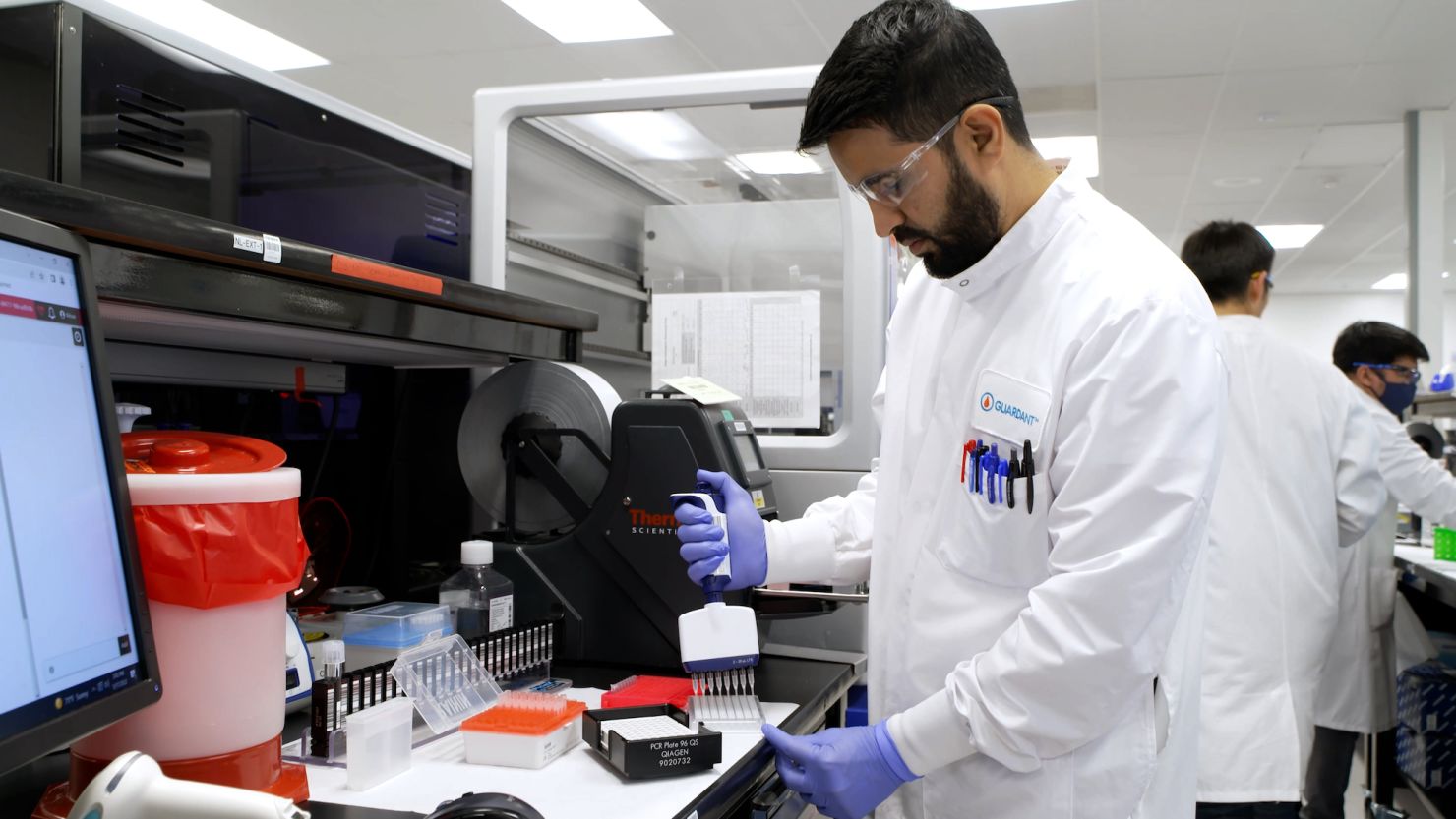
In a groundbreaking development for the medical community, the FDA approves blood test to screen for colon cancer, marking a significant leap forward in the early detection and treatment of this pervasive disease. Colon cancer, one of the leading causes of cancer-related deaths worldwide, has long been a target for improved diagnostic methods. This new blood test promises to revolutionize the way we approach screening and ultimately save countless lives.
The Significance of Early Detection
Early detection is crucial in the fight against colon cancer. When identified at an early stage, the chances of successful treatment and survival increase dramatically. Traditional screening methods, such as colonoscopies and fecal tests, have been effective but are often seen as invasive, uncomfortable, and logistically challenging for many patients. These barriers have led to lower screening rates, particularly among populations at higher risk.
With the FDA approving blood test to screen for colon cancer, a less invasive and more accessible option becomes available. This new test can encourage more people to undergo screening, potentially catching the disease in its nascent stages when it is most treatable.
How the Blood Test Works
The newly approved blood test detects specific biomarkers associated with colon cancer. These biomarkers are substances, often proteins or genetic material, that are produced by cancer cells and can be found in the blood. By identifying these markers, the test can indicate the presence of cancerous or precancerous conditions in the colon.
This test is designed to be highly sensitive and specific, reducing the likelihood of false positives and negatives. Its development involved rigorous clinical trials and validation studies to ensure its accuracy and reliability. The FDA’s approval of the blood test to screen for colon cancer is a testament to its proven efficacy in detecting the disease.
Benefits Over Traditional Methods
The advantages of a blood-based test over traditional screening methods are manifold. First and foremost, it is far less invasive. A simple blood draw can replace the need for more uncomfortable procedures like colonoscopies. This ease of use is likely to increase patient compliance with recommended screening guidelines.
Moreover, the blood test can be administered more frequently than other methods, allowing for ongoing monitoring and early detection of any changes. This continuous surveillance is particularly beneficial for individuals with a higher risk of colon cancer, such as those with a family history or certain genetic predispositions.
Addressing Accessibility and Equity
One of the most critical aspects of the FDA’s approval of the blood test to screen for colon cancer is its potential to improve accessibility and equity in healthcare. Traditional screening methods require specialized equipment and trained personnel, which can be scarce in rural or underserved areas. A blood test, however, can be conducted in a wide variety of healthcare settings, including primary care offices and community health clinics.
This increased accessibility can help bridge the gap in healthcare disparities, ensuring that more people have the opportunity to be screened, regardless of their location or socioeconomic status. Early detection and treatment of colon cancer should not be a privilege but a standard of care available to all.
Implications for Public Health
The approval of this blood test has far-reaching implications for public health. Colon cancer screening rates have historically been suboptimal, with many people avoiding or delaying screening due to the discomfort and inconvenience of traditional methods. With a less invasive and more straightforward option now available, public health campaigns can more effectively encourage regular screening.
By catching more cases of colon cancer early, the overall burden of the disease on the healthcare system can be reduced. Early-stage cancer treatments are often less intensive and less expensive than treatments for advanced stages. This not only improves patient outcomes but also alleviates some of the financial strains on the healthcare system.
Next Steps for Implementation
While the FDA’s approval of the blood test to screen for colon cancer is a monumental step, its successful implementation requires coordinated efforts across the healthcare sector. Healthcare providers need to be educated about the new test and its benefits to ensure it is offered to eligible patients. Insurance companies must also be persuaded to cover the test, making it financially accessible to a broader population.
Public health initiatives will play a crucial role in raising awareness about the new screening option. Educational campaigns should emphasize the importance of regular screening and the ease of the new blood test, aiming to dispel fears and misconceptions about colon cancer screening.
Future Directions in Cancer Screening
The approval of this blood test represents just one step in an ongoing journey toward more advanced and accessible cancer diagnostics. Researchers are continually exploring new biomarkers and technologies to improve early detection for a variety of cancers. Liquid biopsies, which analyze blood samples for a wide range of cancer markers, hold promise for becoming a universal screening tool in the future.
As science progresses, the integration of artificial intelligence and machine learning into diagnostic processes could further enhance the accuracy and predictive power of these tests. Personalized medicine, where screening and treatment plans are tailored to an individual’s genetic makeup, is also on the horizon, promising even more precise and effective healthcare interventions.
Conclusion
The FDA’s approval of the blood test to screen for colon cancer is a landmark achievement in the field of oncology and public health. This innovative test offers a less invasive, more accessible, and highly effective method for early detection, poised to significantly impact colon cancer outcomes. As healthcare systems adapt to incorporate this new tool, the potential to save lives and reduce the burden of colon cancer becomes increasingly tangible.
In embracing this advancement, we take a crucial step toward a future where early cancer detection is routine, equitable, and minimally invasive, ensuring that more people have the opportunity to live longer, healthier lives.