Why Soft Skills Are the Future of Leadership Development
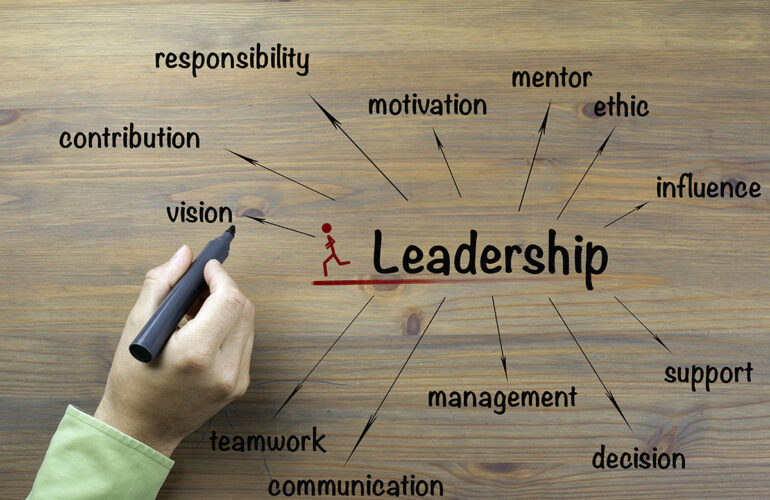
In today’s fast-paced, constantly evolving business environment, one truth is becoming increasingly clear: the leaders who rise to the top aren’t just experts in strategy—they’re masters of human connection. While technical knowledge and operational competence still matter, the emphasis is shifting toward a different set of capabilities: soft skills. And this shift is revolutionizing leadership development training across industries.
If you’re still thinking of leadership in terms of command and control, it’s time to rethink. Empathy, communication, adaptability, and emotional intelligence are no longer “nice-to-haves”—they’re non-negotiable traits that define the leaders of tomorrow. Let’s explore why soft skills are at the center of leadership development for managers and how organizations can build programs that empower future-ready leaders.
What Exactly Are Soft Skills—and Why Do They Matter in Leadership?
Soft skills refer to the interpersonal and emotional attributes that enable people to work well with others. These include:
- Empathy
- Communication
- Adaptability
- Teamwork
- Critical thinking
- Emotional intelligence
- Active listening
- Conflict resolution
While these might sound intangible compared to hard skills like data analysis or project management, they are the glue that holds effective leadership together.
Great leaders inspire trust, guide their teams through change, and cultivate healthy, high-performing work cultures. Without strong soft skills, even the most technically skilled manager can struggle to lead effectively.
The Rise of Human-Centered Leadership
The modern workplace has evolved drastically. Remote teams, generational shifts, rising mental health awareness, and an emphasis on diversity, equity, and inclusion have made emotional intelligence more important than ever. Leaders today are expected to be more than just experts—they must also be motivators, mentors, and mediators.
Why This Matters for Leadership Development:
- Remote and hybrid work environments require clear, empathetic communication and trust-building from a distance.
- Generational diversity in the workplace demands leaders who can navigate different values, expectations, and communication styles.
- Mental health and well-being are priorities for many employees, and leaders need the emotional agility to support them.
- Collaborative leadership styles now outperform traditional top-down approaches.
This is why top-performing organizations are placing soft skills at the heart of leadership development training.
Soft Skills vs. Hard Skills: Striking the Right Balance
While hard skills are easier to teach and measure, soft skills require deeper, ongoing development. It’s not about replacing hard skills, but enhancing them.
A finance manager may understand budgets, spreadsheets, and forecasting, but without the ability to motivate a team, lead a tough conversation, or resolve a conflict, they’ll struggle to influence and inspire.
When designing programs for leadership development for managers, organizations must consider:
- Including experiential learning (role-plays, simulations)
- Encouraging 360-degree feedback
- Offering personalized coaching to build emotional intelligence
- Embedding reflection and journaling to build self-awareness
The goal? Create well-rounded leaders who are not only technically sound but also emotionally intelligent and people-savvy.
Top Soft Skills Every Leadership Program Should Prioritize
Here are five core soft skills that should be at the foundation of every leadership development training program:
1. Emotional Intelligence (EQ)
Leaders with high EQ can manage their own emotions and recognize the emotions of others. This leads to better conflict resolution, stronger relationships, and more cohesive teams.
2. Adaptability
With change being the only constant, leaders must be able to pivot quickly, remain calm during uncertainty, and model resilience.
3. Empathetic Communication
Good leaders listen as much as they speak. They foster open dialogue, validate concerns, and communicate clearly across all levels.
4. Collaboration
Leadership is no longer about calling the shots solo. It’s about bringing people together, harnessing different perspectives, and co-creating solutions.
5. Accountability & Integrity
Leaders must own their actions, admit mistakes, and hold others to high standards—all while building psychological safety within their teams.
These skills can’t be learned overnight, which is why soft skill development should be continuous and layered throughout every stage of a manager’s career.
Soft Skills in Action: The ROI of Human-Centered Leadership
Investing in soft skills pays off in tangible ways. Companies that prioritize leadership development for managers with a soft skills focus often experience:
- Higher employee engagement
- Improved team performance
- Lower turnover
- Better conflict management
- Stronger culture and morale
Let’s not forget: employees don’t quit jobs—they quit managers. By developing emotionally intelligent, empathetic leaders, organizations reduce burnout, improve communication, and create workplaces where people want to stay and grow.
How to Build Soft Skills into Leadership Development Training
Developing soft skills requires more than lectures or online modules. The most effective programs are interactive, reflective, and tied to real-world experiences.
Strategies that Work:
- Coaching & Mentorship: One-on-one sessions help leaders unpack personal challenges and grow their self-awareness.
- Peer Learning Groups: Leaders share experiences, get feedback, and build support networks.
- Simulations & Role-Play: Practicing difficult conversations in a safe environment builds confidence.
- Feedback Loops: 360-degree reviews offer valuable insight into how others perceive a leader’s soft skills.
- Storytelling: Encouraging leaders to reflect on their own journeys builds empathy and insight.
Soft skills can be taught, but it takes intention, patience, and consistent reinforcement.
Preparing the Next Generation of Leaders
Emerging leaders are looking for purpose, transparency, and empathy in their workplaces—and they want to lead in ways that reflect these values.
If you’re building a leadership development training program for younger managers, focus on:
- Authenticity: Encourage leaders to be real, not perfect.
- Inclusive Leadership: Train them to navigate diversity with openness and awareness.
- Servant Leadership: Teach leaders to prioritize the growth of their teams.
- Mental Health Awareness: Help them support well-being and recognize signs of burnout.
These principles ensure that the next wave of leaders is not just equipped to hit KPIs, but to lead with impact and heart.
Why Soft Skills Are the Future of Leadership
As automation and AI continue to reshape industries, the uniquely human traits—empathy, intuition, and adaptability—will become even more valuable. The leaders of the future won’t be those with the most technical expertise, but those who can lead people through complexity, change, and challenge.
In short, soft skills are the hard skills of tomorrow.
By embedding emotional intelligence, communication, and adaptability into your leadership development training, you’re not just teaching managers to lead—you’re building better humans.
If your organization wants to thrive in the modern world, it’s time to reimagine leadership development—not as a process of checking boxes, but as a journey toward connection, courage, and continuous growth.